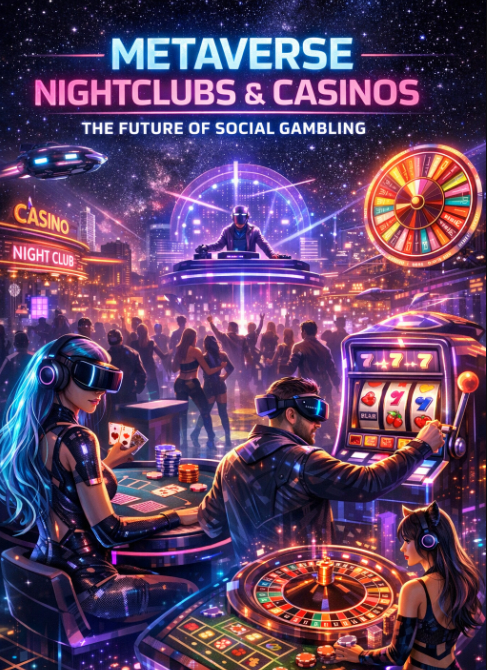
By utilizing virtual reality, digital avatars, and Metaverse Nightclubs & Casinos: The Future of Social Gambling. Participants are able to interact in colorful, engaging worlds that include real-time betting, live events, and multiplayer gaming.
The combination of technology, entertainment, and social interaction, brings social gambling to the next level. With the immersive, customizable, and decentralized reward systems, gamblers can change how and where they engage with casino culture in the metaverse.
What Are Metaverse Nightclubs & Casinos?
Virtual Entertainment Spaces
To provide users with an engaging and interactive experience, metaverse nightclubs and casinos create fully immersive digital environments designed for users to gamble and enjoy social interactions with music.
Integration of Gaming and Socializing
Users can experience real-time social engagement through chat and dance as they gamble and play poker or slots at an integrated casino and gaming platform.
Blockchain-Based Ecosystems
Users of metaverse casinos can enjoy crypto and NFT based digital economies with secure, transparent, and fair gaming as well as ownership of in-game assets through blockchain technology.
Immersive 3D Environments
The 3D environment is enhanced by virtual reality and everyday devices, creating an immersive experience that simulates real-life nightlife along with music, lighting, and avatars in real casino and club environments.
Customizable Digital Identities
Users can create and customize avatars by selecting different appearances, outfits, and accessories for enhanced digital identity in metaverse nightclubs and casinos to increase social interaction and self-expression.
Accessibility and Participation on a Global Scale
Users can engage in activities with other participants, no matter where they are in the world, by using the metaverse casinos. They can play games, attend social events, and form social connections with other participants in the metaverse casinos.
Integration of Live Events and Entertainment
Gamblin and entertainment are combined on these platforms, as they host virtual parties where popular entertainers can stream live. With this, they can expand the audience who will engage with the platform as they provide a multi-experience for customers who are not just gamblers.
Monetization and Digital Economy
Users can engage with the platforms by buying digital goods, placing virtual bets, and trading virtual goods in addition to using the platform’s currencies which are commonly used to transact in the real world.
Key Technologies Powering the Experience
Virtual Reality (VR) Technology
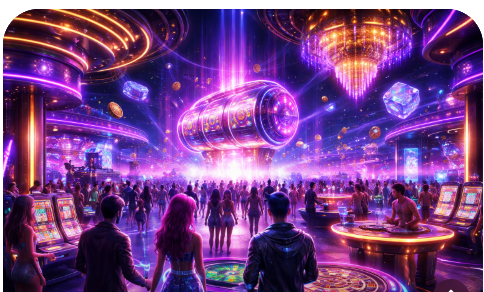
Users wear specific VR headsets to enact realistic gaming and social activities and interact naturally (in 3D) with and explore real metaverse casinos and nightclubs (fully immersive environments).
Augmented Reality (AR) Integration
Users can enjoy enhanced interaction with real world environments and casino games and virtually participate in events without full immersion by using AR to overlay digital elements in real environments.
Blockchain Technology
Users can safely own virtual assets and participate in gaming in metaverse environments, and blockchain offers transparency, security, and fairness by documenting all transactions on decentralized ledgers.
Cryptocurrencies and Digital Payments
Users can wager, deposit, and withdraw money in virtual casinos without banking restrictions. Users can participate in online gambling using digital currencies as transactions are cost effective and quick.
Non-Fungible Tokens (NFTs)
Users can own, trade, and have exclusive usage of their avatars, wearables, and virtual real estate to personalize and increase economic value within metaverse casinos and nightclubs by owning NFTs.
Artificial Intelligence (AI)
Enhanced user experience through gamified AI, fraud detection, and Customer Support by adapting game security and usage players by providing tailored content.
Cloud Computing and Streaming
The cloud infrastructure provides customers the ability to experience the metaverse from anywhere in the world by streamlining the rendering of complex virtual environments.
5G and High-Speed Connectivity
High-speed data transmission and lower latency 5G networks enable real-time, immersive interactions, gaming, and social engagement in metaverse casinos and nightclubs.
Social Gambling Redefined
Real-Time Social Interaction
Gambling in the Metaverse is creating an immersive gaming environment where players can communicate and interact socially with voice and text to build friendships while gaming.
Avatar-Based Engagement
Gambling in the Metaverse allows players to build custom avatars, giving them the ability to use their avatars to perform theatrical engagements like dancing, and communicates more in the gaming experience.
Gamification Elements
Gambling in the Metaverse creates a more social environment for users by changing typical gambling entertainment into an interactive social experience by adding elements like leaderboards and in-game rewards to gambling.
Blending Entertainment with Gambling
Metaverse platforms are social gambling environments where users can bet and socialize while enjoying a nightclub atmosphere of entertainment like live music, DJs, and virtual casino gaming.
Global Community Building
Metaverse gambling creates virtual worlds where players can build organized social gaming systems and communities that use social group collaboration systems in a gambling environment.
Event and Experience Integration:
Users can participate in tournaments and themed parties that allow for live interactions and increase social connections, shifting the perception of gambling from an isolating activity to having an integrated social experience.
Engagement of Influencers and Creators:
The presence of influencers, streamers, and DJs at events in the metaverse casinos boosts engagement, fosters community, and expands the scope of entertainment-based gambling to new levels.
Emotional and Interactive Gameplay:
Enhanced player interactivity means celebration of wins or sharing of losses is instant and these elements combined create a more social and emotionally impactful experience than online gambling.
Economic Opportunities & Revenue Models
Virtual Currency Transactions
The metaverse casino model makes money by players purchasing chips and/or tokens to bet and gamble, ensuring in-game economy expenditure while also ensuring ongoing economic activity through players’ actions.
NFT Sales and Trading
Users can buy and sell NFTs for avatars, clothing, and virtual land, allowing the platform to profit by establishing a marketplace for unique digital commodities to encourage commissions in the metaverse.
Subscription and Membership Models
Through enhanced user engagement and satisfaction, virtual casinos create lounges, events, and activities for premium member offers, sustaining additional income through rewards, personalized services, and privileges.
Advertising and Brand Partnerships
Metaverse casinos create environments for activities like nightlife and gambling, allowing for virtual billboards and other promotional vehicles, sponsorship, and branded content for advertising via events in partnership with other brands for revenue.
In-Game Purchases and Microtransactions
When users purchase virtual goods to enhance their outfits and weekend night outfits at metaverse casinos, microtransactions improve personalization experience and ensure economic sustainability for microtransactions.
Hosting Events and Selling Tickets
Selling tickets and charging fees for entry to virtual concerts, competitions, and themed parties create revenue opportunities and draw in large crowds. Gamblng, combined with entertainment, increases profitability for the site.
Gambling Revenue Streams
Because of fair and balanced gaming systems, players will remain vested in the gaming system and feel comfortable with the system enough to keep playing. This ‘house edge’ creates a revenue stream for the systems creators.
Ecosystem of the Creator Economy and Content Monetization
Platforms collect fees for the monetization of performances, creation of assets and their collaboration with other Content Creators. This is a great example of the flourishing Creator Economy and the Metaverse’s Gambling Ecosystem.
Benefits for Users
Global Reach
Metaverse nightclubs and casinos provide all users access to gaming and social interaction from anywhere in the world. There is no need to travel to be part of the action.
Social Interaction
Users can social genuinely interact with one another for via voice and chat; and use avatars to add to the social and gaming experience. This is far better than just gambling online.
Entertainment Immersion
With VR users can be transported to a real world gaming environment; make real social connections; listen to music; and interact. Everything just like a real world night club and casino.
Social Interaction and Gameplay Avatars
Users can use avatars to maintain privacy and to interact with other users. Players can maintain personal privacy; and have social and gaming interactions in gaming worlds.
A Personalized Experience
Users in metaverse casinos and nightclubs are given the ability to customize their avatars and environments or change their gaming style to enhance enjoyment and self-expression.
Use When You Want
You and your friends are free to use the metaverse platforms and casinos whenever it suits you. There is no need to travel to use the platforms. You do not have to wait to use the platforms. This means you and your friends can everyone are free to use the platforms whenever you choose.
Wide-Ranging Entertainment Possibilities
Another benefit is that customers can enjoy games, online events, concerts, and social activities, all on one platform, so they have an entertainment choice that goes well beyond standard gambling.
Possible Earning Stream
Earning money in the metaverse ecosystem is possible while having fun. Players can do this by playing games, trading digital assets, and participating in activities.
Risks and Challenges
Regulatory Ambiguity Global regulations remain undetermined which may lead to potential obstacles, closures, penalties, and loss of access to specific countries for operators and users, causing legal uncertainties for users and operators alike.
Addiction and Behavioral Risks
Environments that are highly immersive will lead to gambling addiction and mental health issues. Negative financial health impacts, spurs participation, and encourages continuous and prolonged engagement, gamification, and social pressures.
Security and Fraud
Threats Risks of hacking, scams, breaches, and wallet hacks exist in the metaverse. User funds and assets may be lost which demonstrates the importance of user education and cybersecurity.
Data Privacy Issues
Concerns related to privacy, data breaches, and data protection laws are the collection and tracking of user and behavioral data, the digital identity of users, and the behavioral profiling of users.
Issues regarding
Underage Access Minors may access gambling platforms which pose ethical dilemmas. There are issues regarding identity verification and the ease of age determination in virtual environments.
Technological Barriers
Some users may find the adoption of VR technology difficult due to the high costs associated with VR devices, hardware limitations, and internet access requirements, increasing the digital divide.
Market Volatility and Financial Risks
Users of the metaverse gambling ecosystems encounter potential financial instability due to the fluctuating value of cryptocurrencies, which creates uncertainty regarding winnings, deposits, and overall financial situation.
Lack of Consumer Protection
The absence of legal regulations and oversight may allow exploitative practices, unfair disputes, unresponsive platforms, and impose limitations on recovering losses and accessing the legal system.
Legal & Regulatory Landscape
Absence of Global Regulation
Operators have to cope with varying cross-national regulatory measures and implement multiple regulatory procedures for each jurisdiction in which they have users, gambling in the Metaverse is borderless.
Jurisdictional Confusion
The location of users, service providers, and operators in the Metaverse makes the enforcement, taxation, and attribution of legal liability in casino and nightclub metaphors complicated.
Licensing
Legal gambling services in the Metaverse will require gambling licenses. However, there are no sufficient jurisdictional regulations for compliance to provide legal gambling services in the Metaverse.
KYC and AML
To comply with legal regulations, platforms must undertake user verification, transaction monitoring, and financial transparency to avoid illegal activities and financial crime.
Regulation of Consumer Protection
Regulations concerning users and fair and transparent gaming practices, dispute resolution, and enforcement are decentralized and borderless in the Metaverse.
Regulation of Cryptocurrency
The decentralized nature of the Metaverse makes the regulation of virtual currencies and the funding, depositing, and trading processes of users in Metaverse casinos complicated.
Future Regulatory Developments
Regulators (e.g. governments) are likely to continue the development of more definitive guidelines for gambling in the metaverse. These guidelines will include laws on the taxation of gambling, the protection of users, and the regulation of the technology employed to promote safe and sustainable growth of the gambling industry.
Popular Platforms & Real-World Examples
Decentraland Virtual Casinos
Decentraland allows users to gamble with cryptocurrency at virtual casinos and entertainment, making it one of the first real-life uses of the metaverse gambling ecosystem.
The Sandbox Gaming Experiences
In The Sandbox, brands and developers can build interactive casino games and nightlife experiences with NFTs, virtual land ownership, and community participation in a decentralized metaverse.
Axie Infinity Economic Model Influence
Axie Infinity shows that play-to-earn and the trading of digital assets can create gambling ecosystems. This motivates the developing metaverse casinos to include earning and token economies.
Meta Platforms Vision for Virtual Social Spaces
Through the metaverse, social experiences will become immersive and potentially include virtual nightlife and casinos integrated with gaming and entertainment.
Roblox User-Generated Worlds
Casino-style environments can be created by developers on Roblox, showing the impact of user-generated content in virtual entertainment, social and gaming experiences.
Integration of Virtual Events in Fortnite
Fortnite has incorporated virtual concerts and social gatherings, showcasing the potential of combining immersive entertainment with interactive environments and how this may shape the future of immersive gaming and nightlife integrations.
Model for Social Engagement in VRChat
With social worlds in VRChat, engagement is high and users can communicate and explore together, providing a social engagement framework that metaverse casinos and nightclubs will seek to emulate.
New Dedicated Metaverse Casinos
New cassino experiences are specifically designed for virtual worlds in the metaverse that integrate blockchain technology, virtual reality, and social components for a complete immersive experience to be gambled and danced to by a worldwide audience.
Future Trends & Innovations
Hyper-Realistic Virtual Environments
The future of virtual nightclubs and casinos will utilize powerful VR tech and advanced graphics to provide realistic environments, simulations, and interactions for nightlife and gambling activities.
AI-Powered Virtual Hosts and Dealers
Smart virtual hosts, dealers, and assistants will improve customer service and engagement by creating human-like interactions and increased personal customization, and will result in increased engagement in virtual gambling.
Cross-Platform Interoperability
Virtual gambling and social experiences will allow players and avatars to move tokens, assets, and other valuables seamlessly through various metaverse worlds for expanded ownership and social engagement.
Integration of Wearable Technology
Real-world activities and interactions will be experienced by users through virtual nightclubs and casinos, and other immersive environments using advanced VR technology and wearable devices like haptic suits.
Decentralized Governance Models
The future of virtual gambling is player-directed through community-driven ecosystems. Blockchain technology will create decentralized voting to allow users to decide the rules, updates, and policies of the gambling platform.
Growth of Tokenized Economies
More advanced token systems that allow staking, rewards, and decentralized finance will give users the ability to earn, invest, and trade within the ecosystems of gambling in the metaverse.
Improved Safety and Identity Technology
Biometric and other advanced decentralized identity systems will protect users, minimize fraud, and allow safer gambling in the metaverse.
Widespread Adoption and Integration of the Industry Gambling in the metaverse will integrate with other entertainment industries, leading to new audiences, partnerships, and regulations, resulting in gambling being accepted in the digital entertainment and gaming industries.
Impact on Traditional Gambling Industry
Shift Toward Digital Experiences With the rise in popularity of metaverse gambling, traditional casinos experience pressure to provide true online immersive experiences as the competition in the market requires the innovation.
Decline in Physical Foot Traffic With the ease of remote access to casinos in the metaverse, there is a significant decline in the number of customers visiting physical casino locations posing a threat to revenue.
Emergence of Hybrid Casino Models New models are emerging where real world gambling in the metaverse is accessible by virtual and real casino participants online and in person at the same time.
Increased Competition and Innovation With the advent of metaverse casinos, there is a need for traditional casino operators to use new technology in a more innovative way to offer better customer engagement and entertainment
Expansion of Global ReachWithout the need for physical infrastructure, traditional casino brands can harness remote casino access for increased revenue and international reach to customers beyond existing geographical boundaries.
Use of Cryptocurrency for Payments
In order to remain competitive, traditional casinos are accepting cryptocurrency and other digital payment methods to align with consumer trends, including the increased popularity of blockchain-based gambling systems.
Challenges of Regulation and Operations
Traditional operators face the challenges of new regulations and operational models to include virtual gambling, including compliance, technology integration, and trust issues in all spaces, both physical and digital.
Conclusion
With growing user adoption, rising investments, and increased activity in the blockchain-based transaction sphere, awareness and activity in metaverse nightclubs and casinos is expanding.
Engagement is increased relative to traditional online offerings, and this is attributed to the highly immersive environments. Incorporation of social interaction features, cashless economies, and virtual goods marketplaces are propping up their economies and attracting wider audiences.
Metaverse nightclubs and casinos are however faced with a number of challenges, these include, regulations, consumer safety, cyber security, and the potential for gambling addiction. The future of the industry is dependent upon regulators and the industry in finding the right combination of innovative approaches and user protections to sustain growth, secure the industry, and gain acceptance.
FAQ
Recent market data shows rising user adoption, increased venture capital investment, and growing transaction volumes in blockchain-based platforms, indicating strong expansion in metaverse gambling ecosystems.
Data suggests higher engagement rates compared to traditional online casinos, with users spending more time due to immersive environments, social interaction features, and integrated entertainment experiences.
Data indicates blockchain is central, ensuring transparency, secure transactions, and provably fair gaming, which increases user trust and platform credibility in decentralized environments.
Data shows cryptocurrencies are boosting participation by enabling fast, low-cost, and borderless transactions, attracting a global audience to metaverse gambling platforms.
Forecast data suggests continued growth driven by VR advancements, improved infrastructure, and regulatory clarity, positioning metaverse gambling as a major segment of the digital entertainment industry.